Introduction
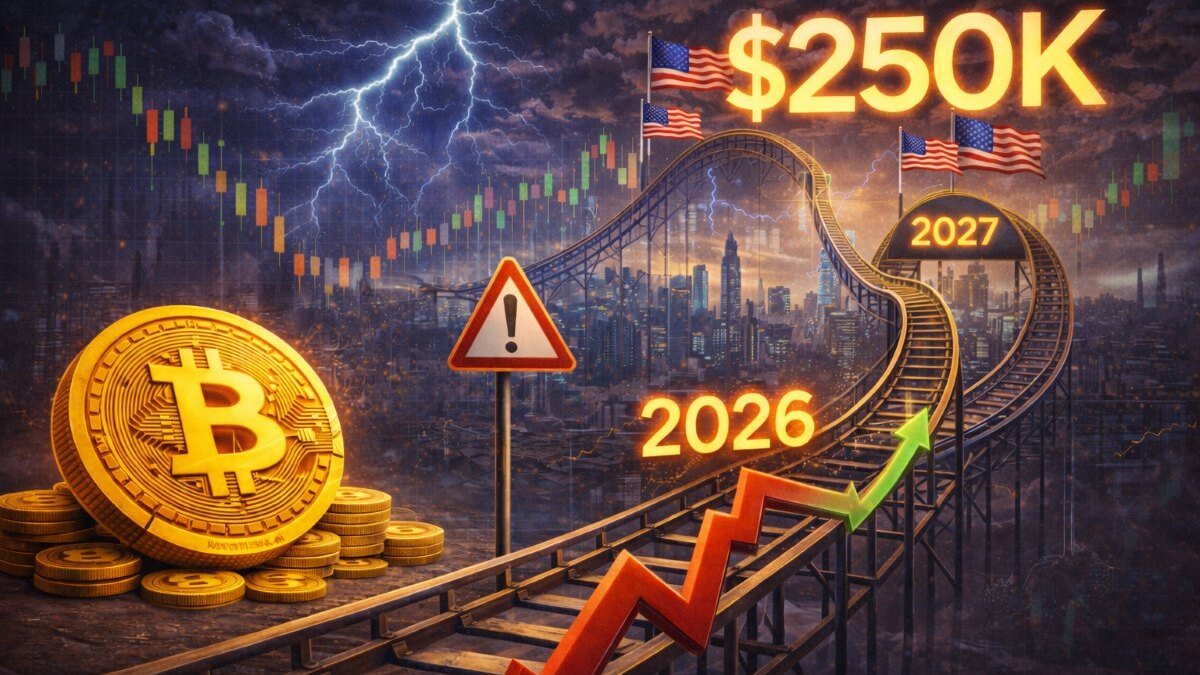
Q4 2026 could become a closely watched period for cryptocurrency investors as Bitcoin, Ethereum, and the broader digital asset market respond to changing liquidity, institutional demand, macroeconomic conditions, and investor sentiment. But could these forces actually trigger the next major crypto rally? Rather than relying on bold price predictions, investors can look for measurable signals that reveal whether market momentum is genuinely strengthening.
The strongest crypto rallies rarely depend on one catalyst. They typically develop when several conditions begin working together, such as expanding liquidity, stronger spot demand, rising network activity, and improving risk appetite. At the same time, excessive leverage or speculative enthusiasm can make a rally fragile. If you’re watching Q4 2026 for signs of the next crypto bull run, understanding these signals can help separate sustainable momentum from another short-lived burst of hype.
Key Takeaways
- Bitcoin: Strong spot demand and sustained BTC momentum could provide the foundation for a broader crypto rally.
- Liquidity: Improving global and crypto-native liquidity may encourage investors to take greater risk.
- Institutional demand: Continued professional and institutional participation could strengthen market depth and confidence.
- Ethereum: Rising ETH activity may indicate that capital is expanding beyond Bitcoin.
- Altcoins: Broader participation across high-quality altcoins could signal increasing risk appetite.
- Leverage: Rapidly rising leverage can support short-term momentum but also increase correction risk.
What Could Trigger a Crypto Rally in Q4 2026?
A major crypto rally during Q4 2026 would probably require several bullish forces to align rather than one headline suddenly sending every token higher. The crypto market has matured, meaning liquidity conditions, institutional capital, derivatives markets, and on-chain activity can all influence price discovery.
Bitcoin would likely remain central to the picture. Sustained BTC demand can improve confidence across the digital asset market, while stronger Ethereum and altcoin participation may show that capital is beginning to broaden.
Investors should also watch the macro environment. Changes in interest-rate expectations, bond yields, the U.S. dollar, and global financial liquidity can influence appetite for risk assets.
The important point is confirmation. One positive signal may create excitement, but several improving simultaneously can provide stronger evidence of changing market conditions.
Bitcoin Momentum and Spot Demand
Bitcoin remains the market’s largest reference point, so its behavior can offer important clues about whether a broader rally is developing. Investors should look beyond headline price movements and consider what is actually driving them.
Spot demand is particularly useful. A price increase supported by sustained buying in spot markets can look healthier than one driven primarily by leveraged futures positions. Derivatives can amplify momentum, but they can also unwind rapidly when traders become overextended.
Useful Bitcoin signals include:
- Rising spot trading volume
- Sustained institutional investment flows
- Declining or stable exchange BTC balances
- Increasing long-term holder conviction
- Healthy rather than extreme derivatives funding rates
- Strong demand during market pullbacks
Market structure matters too. If Bitcoin establishes higher price ranges while buyers consistently appear during corrections, that can suggest underlying demand remains resilient.
No individual metric confirms a bull market, however. Investors should look for agreement between price action, volume, capital flows, and on-chain indicators before drawing broader conclusions.
Global Liquidity and Macroeconomic Conditions
Liquidity is one of the most important forces to monitor heading into Q4. In simple terms, liquidity describes how readily capital is available within financial markets. When financial conditions become more supportive, investors may become more willing to allocate money toward volatile assets such as cryptocurrencies.
Interest rates can influence this environment significantly. Lower borrowing costs or expectations of easier monetary conditions may support risk appetite, whereas unexpectedly restrictive policy can pressure speculative assets.
Crypto investors should therefore monitor more than blockchain charts. Inflation data, central-bank decisions, bond yields, currency movements, and credit conditions can all influence sentiment.
That doesn’t mean Bitcoin will mechanically rise whenever financial conditions improve. Markets anticipate future developments, often pricing expectations before policy actually changes. Annoying, perhaps, but markets have never promised to wait politely for everyone to catch up.
Stablecoin Supply and Crypto-Native Liquidity
Stablecoins can provide another window into crypto-market liquidity. Tokens designed to maintain a relatively stable value, usually against currencies such as the U.S. dollar, are widely used for trading, payments, settlement, and decentralized finance.
Expanding stablecoin activity may indicate that more capital is available within the digital asset ecosystem. However, investors should examine where that liquidity is going rather than assuming rising supply automatically means higher crypto prices.
| Signal | What Investors Can Watch |
|---|---|
| Stablecoin supply | Whether crypto-native liquidity is expanding |
| Exchange balances | Capital potentially available for trading |
| On-chain transfers | Changes in blockchain settlement activity |
| DeFi liquidity | Capital moving through decentralized protocols |
| Trading volume | Whether market participation is broadening |
| Lending activity | Changes in demand for on-chain credit |
The relationship between liquidity and prices can involve significant time lags. Stablecoin growth should therefore be combined with other indicators, including Bitcoin demand, Ethereum activity, and spot-market volume.
Think of liquidity as fuel. Having fuel available matters, but someone still needs to start the engine.
Institutional Demand Could Be a Major Q4 Signal
Institutional participation remains an important factor when assessing the potential strength of a crypto rally. Professional investors, funds, corporations, and other large market participants can introduce substantial capital while also changing market structure.
Investors can monitor regulated crypto investment-product flows, corporate treasury activity, custody developments, derivatives participation, and institutional trading volumes. Sustained demand matters more than an isolated announcement.
Institutional participation can also behave differently from retail speculation. Large investors may accumulate gradually, hedge exposure, or rebalance positions according to portfolio rules rather than chase rapid price movements.
That creates an important distinction: institutional adoption does not guarantee permanently rising prices. Large investors can sell and hedge just like everyone else. Still, consistent capital inflows alongside strong spot demand could strengthen the case that Q4 momentum is supported by deeper participation rather than hype alone.
Ethereum Strength as Confirmation
Ethereum can serve as an additional indicator of whether crypto-market strength is broadening. During periods when investors become increasingly comfortable taking risk, capital may expand from Bitcoin toward ETH and eventually into other digital assets.
Investors can monitor both ETH’s market behavior and Ethereum’s underlying network fundamentals.
Relevant signals include staking activity, decentralized finance usage, stablecoin transfers, Layer 2 adoption, transaction demand, and Ethereum’s supply dynamics. Improving fundamentals alongside stronger ETH demand may offer more meaningful confirmation than price appreciation by itself.
The ETH-to-BTC relationship can also provide context about relative investor appetite. Changes in that relationship can show whether Bitcoin is dominating capital flows or Ethereum is gaining relative strength.
Still, Ethereum should not be treated merely as a stepping stone between Bitcoin and altcoins. Its ecosystem has distinct fundamentals. Evaluating actual network adoption helps investors distinguish improving economic activity from a purely speculative rotation.
Could Altcoins Join the Next Crypto Rally?
If Q4 develops into a broader risk-on environment, attention may eventually shift toward altcoins. Historically, traders often describe periods of widespread altcoin outperformance as “altseason,” but a future rally does not have to lift every cryptocurrency equally.
Increasingly, investors may differentiate between projects with active ecosystems and tokens driven mainly by narratives. Metrics such as users, transaction volume, protocol revenue, developer activity, liquidity, token unlock schedules, and real-world adoption can help identify these differences.
Potential themes could include decentralized finance, tokenization, blockchain infrastructure, stablecoin ecosystems, privacy technology, decentralized physical infrastructure, and applications connecting blockchain technology with AI.
Broadening market participation can be a useful signal. But if only a handful of low-liquidity tokens suddenly surge, that may indicate speculation rather than a healthy market-wide expansion.
Signals That a Broader Altcoin Rotation Is Developing
A genuine altcoin rotation usually involves more than a few tokens posting impressive daily gains. Investors can watch how capital spreads through different market segments and whether trading activity becomes more diversified.
Potential signs include:
- Bitcoin remains relatively stable after establishing stronger momentum.
- Ethereum begins attracting greater relative demand.
- Trading volume expands across multiple altcoin sectors.
- Market participation becomes broader instead of concentrated.
- On-chain activity rises across major smart-contract ecosystems.
- Liquidity improves for medium- and smaller-cap assets.
Bitcoin’s share of total crypto-market capitalization can provide additional context, although changes in market dominance should not be interpreted alone.
Quality matters as well. A token can rally dramatically without meaningful improvements in its underlying project. Investors should examine supply schedules, insider allocations, token utility, liquidity, and protocol activity.
In other words, green candles are evidence that prices increased. They aren’t automatically evidence that fundamentals improved. That tiny distinction can save rather alot of headaches.
Warning Signs That Could Derail a Q4 Rally
Even when several bullish signals appear, investors should remain aware of conditions that could interrupt momentum. Crypto markets are highly reflexive: rising prices can attract leverage, leverage can push prices higher, and excessive leverage can eventually create violent liquidations.
Derivatives data can therefore be especially valuable. Rapidly increasing open interest, unusually high funding rates, or heavily one-sided positioning may suggest traders are becoming overly aggressive.
Other potential risks include:
- Unexpected changes in monetary conditions
- Weakening global liquidity
- Regulatory developments
- Major exchange or protocol security incidents
- Large token unlocks
- Declining spot-market volume
- Concentrated speculative leverage
- Falling network activity despite rising prices
The strongest rally setup would ideally combine improving fundamentals with sustainable capital flows and manageable leverage.
Investors should also avoid assuming that previous crypto cycles will repeat exactly. Market structure continues to evolve, and historical patterns are useful references—not guaranteed scripts.
Conclusion
Q4 2026 could provide the conditions for another significant crypto rally, but the evidence will come from multiple signals rather than one dramatic catalyst. Bitcoin spot demand, institutional participation, global liquidity, stablecoin activity, Ethereum strength, and broader altcoin participation can collectively reveal whether momentum is becoming more sustainable.
Instead of attempting to predict an exact date or price target, investors can build a dashboard of indicators and watch how they develop together. Pay particular attention to whether rising prices are supported by genuine demand and improving activity or increasingly dependent on leverage. Markets can remain unpredictable, but tracking the right signals gives you a much clearer framework for interpreting whatever Q4 brings.
FAQs
How can investors distinguish a real crypto breakout from a fakeout?
Investors can compare price movements with spot volume, capital flows, market liquidity, derivatives positioning, and on-chain activity. A breakout supported by several independent indicators generally provides more information than price movement alone, although no combination can guarantee that momentum will continue.
Does Bitcoin need to reach a new high before altcoins can rally?
Not necessarily. Altcoins can appreciate under different market conditions, and Bitcoin does not need to reach a specific price first. However, periods of stable or strengthening Bitcoin demand can influence confidence and liquidity across the wider cryptocurrency market.
What role does retail investor activity play in crypto rallies?
Retail participation can increase trading volume, speculation, and demand, particularly during later periods of strong momentum. Search trends, exchange activity, app usage, and smaller-transaction volumes may provide clues, though each indicator has limitations and should be interpreted alongside other data.
Can a crypto rally happen when interest rates remain high?
Yes. Interest rates are only one influence on crypto prices. Market expectations, liquidity, institutional demand, technological developments, and investor positioning can offset or amplify monetary conditions. Investors should therefore avoid treating any single macroeconomic variable as an automatic crypto trading signal.
How often should investors review crypto market signals?
The appropriate frequency depends on investment strategy. Long-term investors may focus on weekly or monthly trends, while active traders typically monitor indicators more frequently. Checking too often can also encourage emotional decisions, so matching your analysis schedule to your actual strategy is important.